






Trade
Comparisson reports are under license of:

Lo que dice el Arxiduc:
“Trade in Levkas ( Lefkada) is quite busy; the articles lacking here are: cereals, flour, dry legumes, dry squid, cod, large olives, animals for butchering, wood for construction, planks, beams, etc. The latter certainly draws your attention in a city that only has wooden houses. They even need wood to burn. In addition, the island also lacks metals, cotton, a quantity of white wine, fresh milk and cheese, quality cheese, and all types of goods such as sugar, coffee, cinnamon, paprika, walnuts, hazelnuts, leather to make shoes (because the leather cured on the island is only suited for rough items used by people in the country), and diverse industrial products.
Articles produced here in abundance include: wine, olive oil, Corinthian raisins, flax seed, vulgar cheese, oranges and lemons, fish, almonds, quince, medlars, plums and honey.”
Datos proyecto Nixe III:
In terms of trade and tourism, we first analyze Levkada’s primary tourist destination, Nidri. The beachfront is lined with bars and restaurants where the signage is primarily in English. Many of the constructions are modern, a lot with prefabricated structures made of plastic and aluminum.
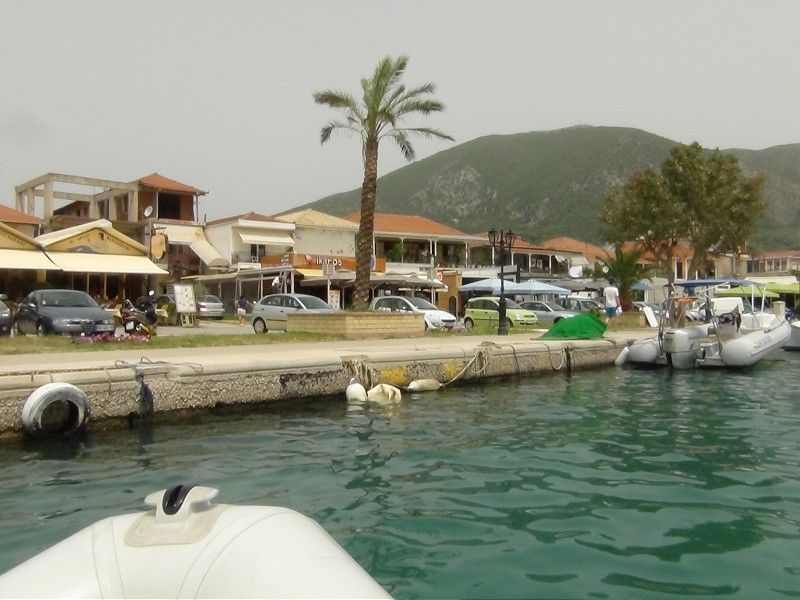
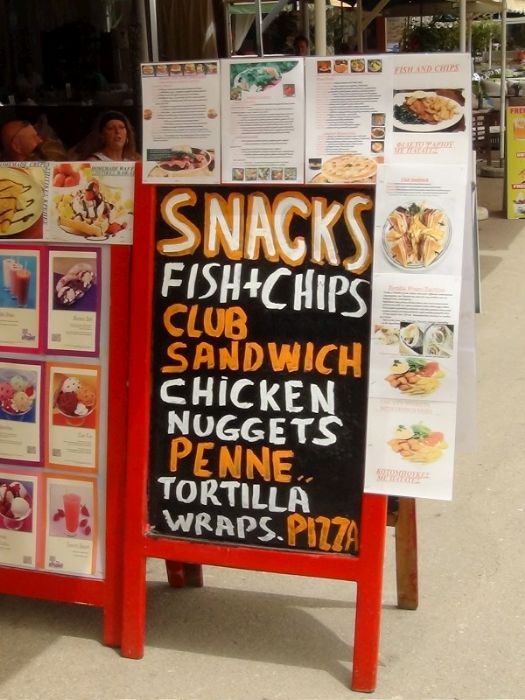
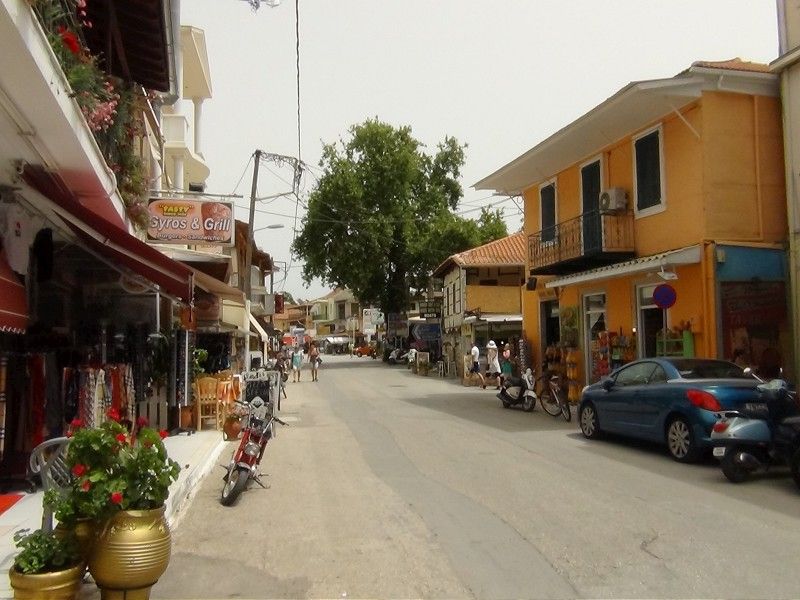
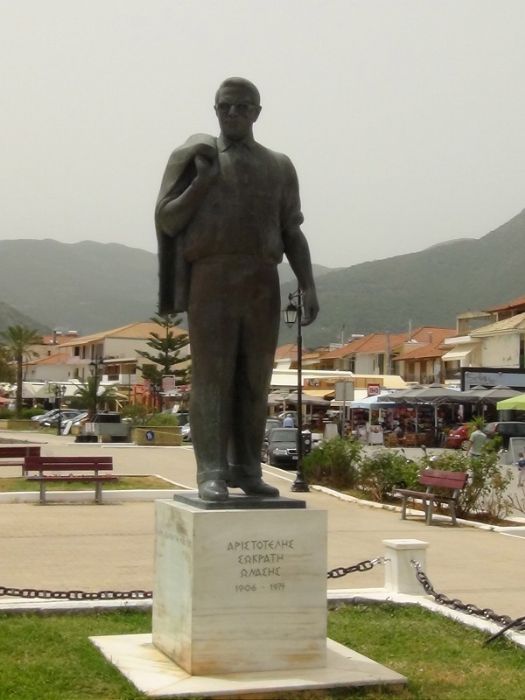
On the second street back from the beach, shops and supermarkets predominate. On the third street, development has been somewhat chaotic, with old houses next to new apartment buildings. Returning to the boardwalk, we find the statue of Aristotle Onassis presiding over it.
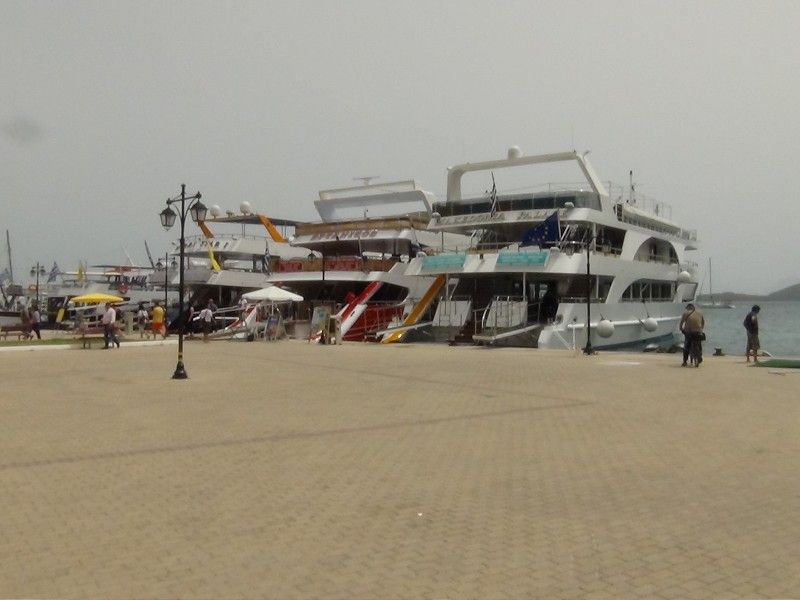 There are a lot of large boats along the boardwalk for tourists. We also see a lot of charter boats, just as we saw in Croatia. The movements of these boats and charter boats is fairly chaotic, not at all like the careful organization we saw in Paxos which surprised us with its efficiency.
Heading south, we were able to visit Vassiliki and Syvota. These two towns gave us a different impression. Here the shops catering to tourists are found in old houses and decorated with plants and flowers. Meanwhile, the boardwalks maintain their traditional flavor.
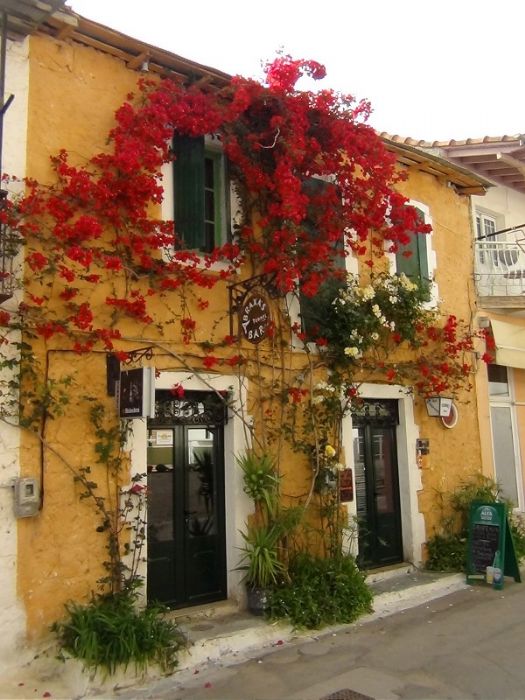
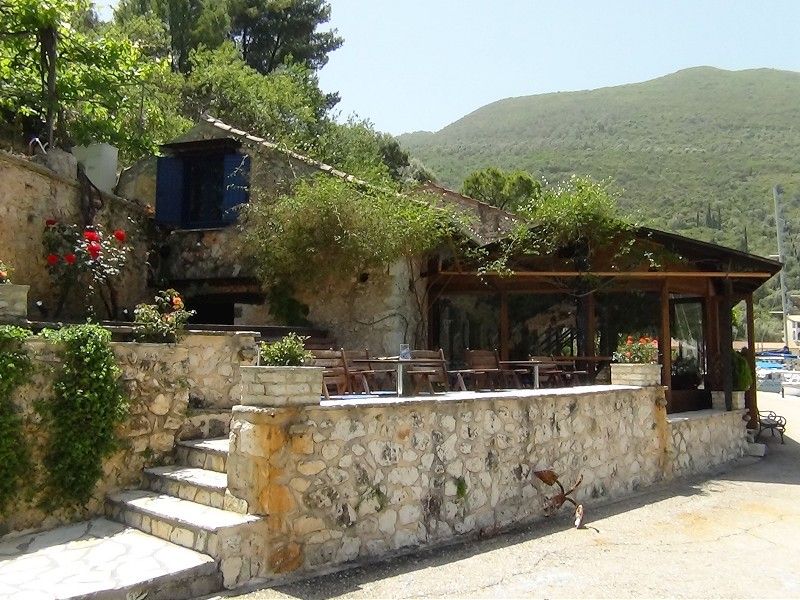
Today, many tourists are beginning to come by car, especially from Eastern European countries such as Bulgaria, Serbia and Romania.



Comparisson reports are under license of: